

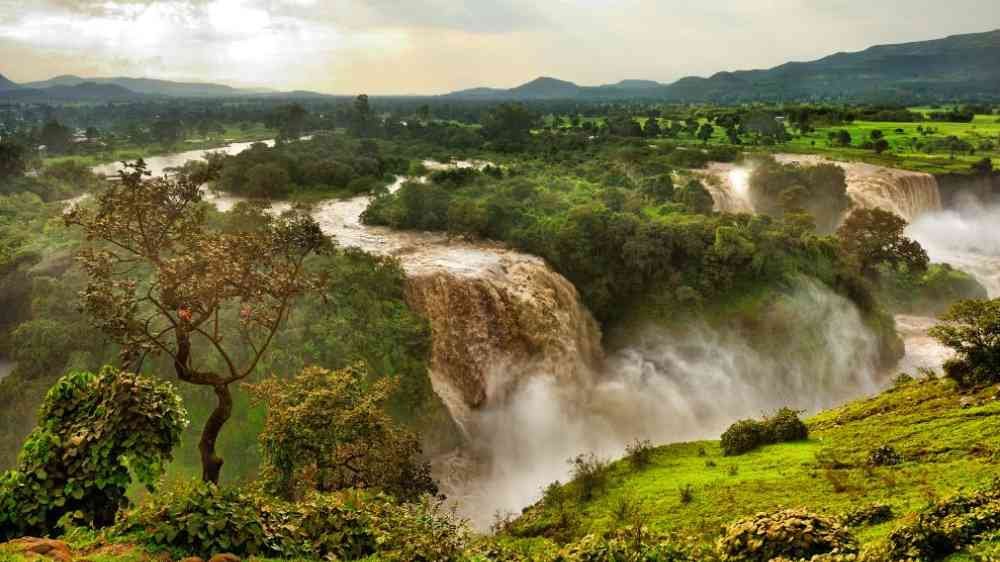
Ethiopia, a land rich in culture, history, and natural beauty, offers an unforgettable travel experience. From the bustling streets of Addis Ababa to the tranquil beauty of the Omo Valley, there’s something for every traveler in this stunning country. Here’s a detailed guide for an unforgettable Ethiopian adventure.
Where to Stay
1. Haile Grand Addis Ababa
Located in the heart of Addis Ababa, Haile Grand offers an excellent balance of luxury and comfort. This five-star hotel is known for its exceptional service, modern amenities, and convenient location. Guests enjoy spacious rooms, a fitness center, a luxurious spa, and an inviting pool. The hotel’s restaurant serves a wide variety of local and international dishes, perfect for both business and leisure travelers.

Book Your Stay at Haile Grand Addis Ababa
2. Sheraton Addis
Sheraton Addis is another top-tier hotel that blends modern luxury with local Ethiopian culture. The hotel offers a stunning view of the city’s skyline, plush rooms, and various dining options that highlight Ethiopian and international cuisine. The Sheraton also features an outdoor pool, wellness facilities, and a superb location, making it ideal for both tourists and business professionals.

Book Your Stay at Sheraton Addis
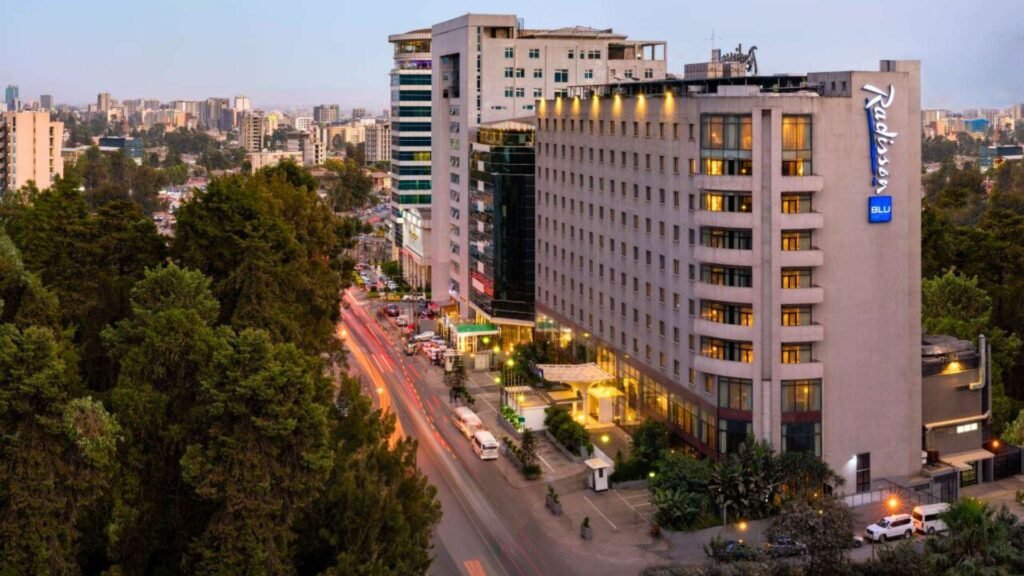
3. Radisson Blu Hotel, Addis Ababa
As one of the leading luxury hotels in the city, Radisson Blu offers a sophisticated stay with a range of amenities such as fine dining, a wellness center, and a spacious conference room. Its proximity to the city’s main attractions makes it perfect for both business and leisure travelers. Its modern design and excellent customer service set it apart as one of the best hotels in Addis Ababa.
Book Your Stay at Radisson Blu Hotel
Top Things to Do
1. Addis Ababa City Tour
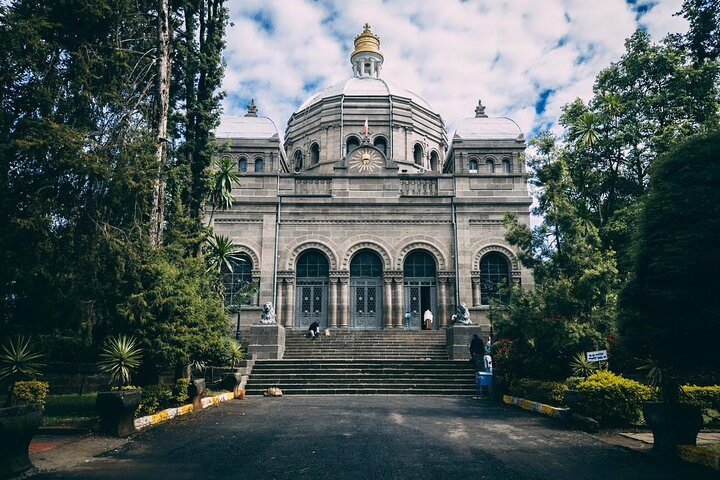
A must for anyone visiting Ethiopia, this city tour offers a great way to explore Addis Ababa’s rich history and vibrant culture. Visit the National Museum of Ethiopia, home to the famous fossil of “Lucy,” and learn about Ethiopia’s ancient history. Also, explore the Ethnological Museum, the Holy Trinity Cathedral, and the bustling markets.
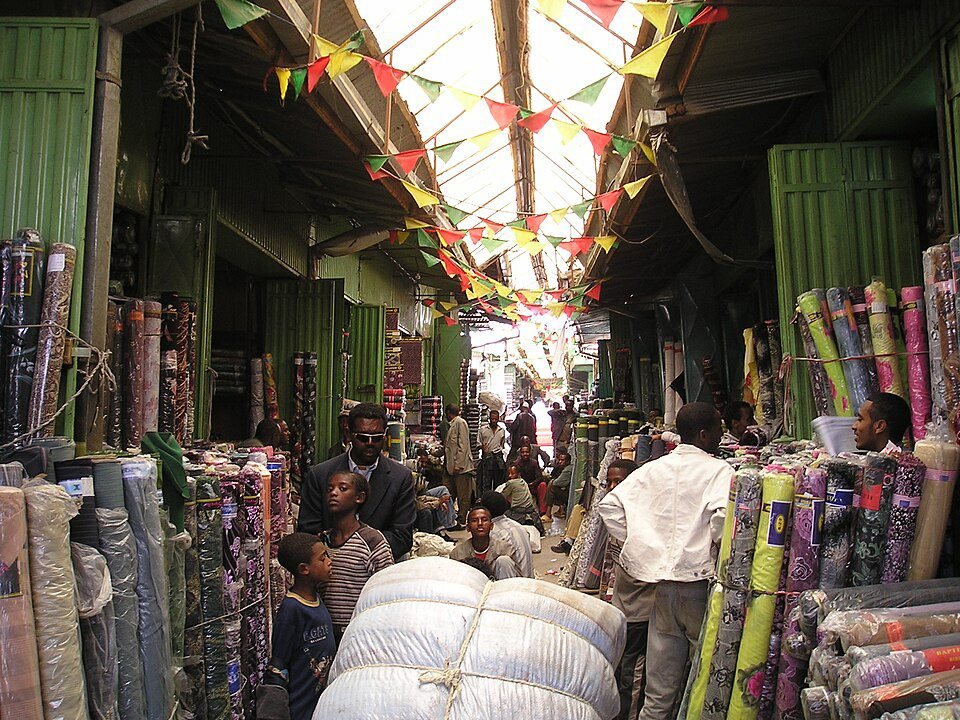
2. Merkato: Africa’s Largest Open-Air Market
Merkato is the largest open-air market in Africa, and it’s a must-visit for anyone who loves local markets. It’s a bustling, vibrant place where you can find everything from spices to handmade goods. Be sure to wander through the various sections and experience the true hustle and bustle of Addis Ababa.
3. Grand Ethiopian Renaissance Dam
Located on the Blue Nile River, the Grand Ethiopian Renaissance Dam is one of the largest infrastructure projects in Africa. Visiting this impressive site allows you to witness firsthand Ethiopia’s growing power sector and learn about the dam’s potential to transform the country’s economy.

4. Rastafarian Community in Shashemene
The town of Shashemene is home to a community of Rastafarians, many of whom moved to Ethiopia from the Caribbean in the 1960s. This unique experience allows you to learn about the cultural significance of Rastafarianism and its connection to Ethiopia.
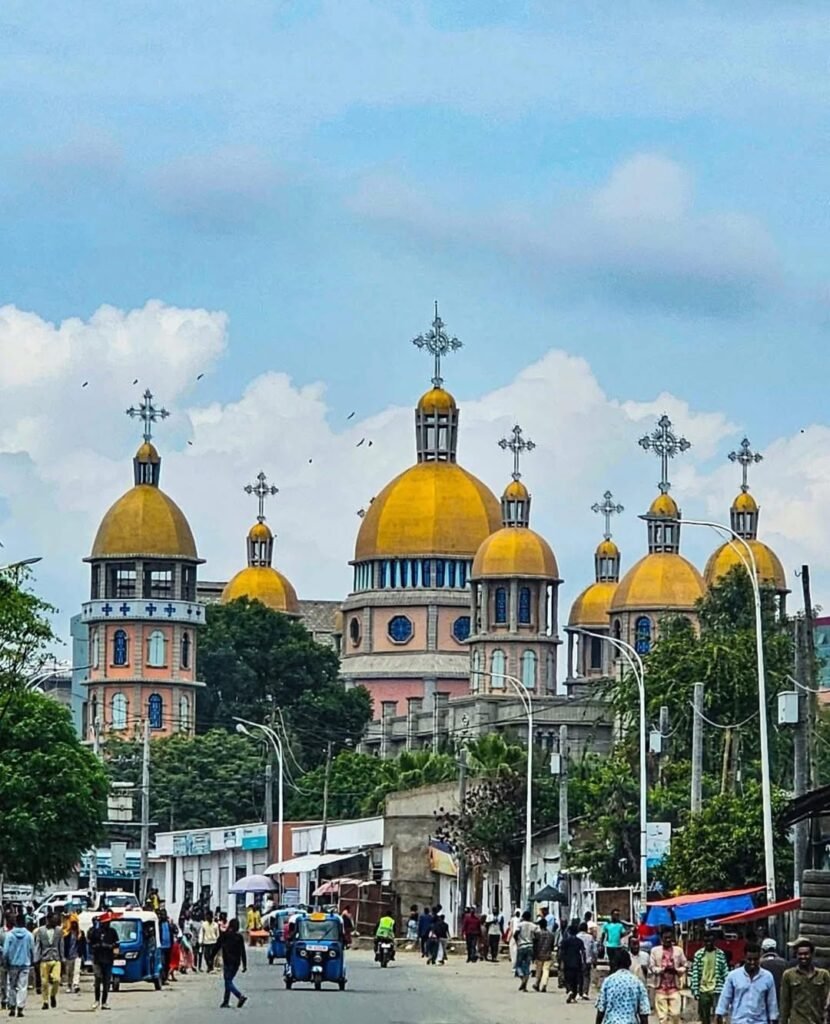
5. Wenchi Crater Lake
Nestled in the Oromia region, Wenchi Crater Lake is a serene and stunning location. Known for its volcanic caldera, the lake offers beautiful hiking trails and boat rides, allowing visitors to experience nature in a peaceful and unspoiled setting.
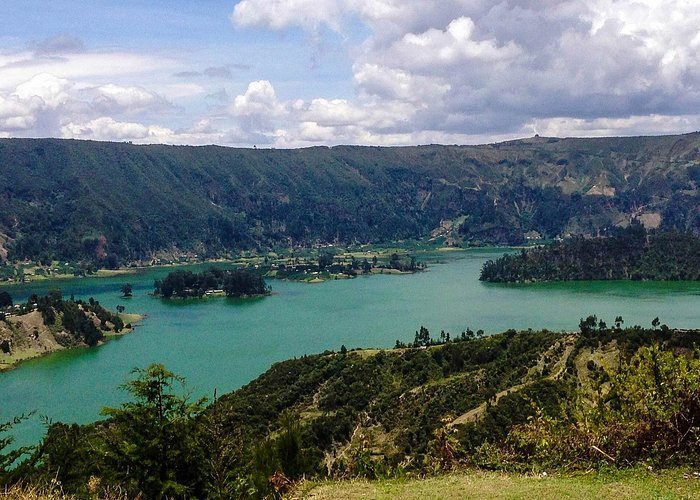
Day Trip To Wonderful Crater Lake of Wenchi
6. Sulfur Pools of Afdera
The sulfur pools in Afdera, located in the Danakil Depression, offer a unique and otherworldly landscape. The area’s hot springs are filled with bright yellow sulfur deposits, creating an almost alien atmosphere. It’s a fascinating spot for travelers interested in geology and extreme landscapes.
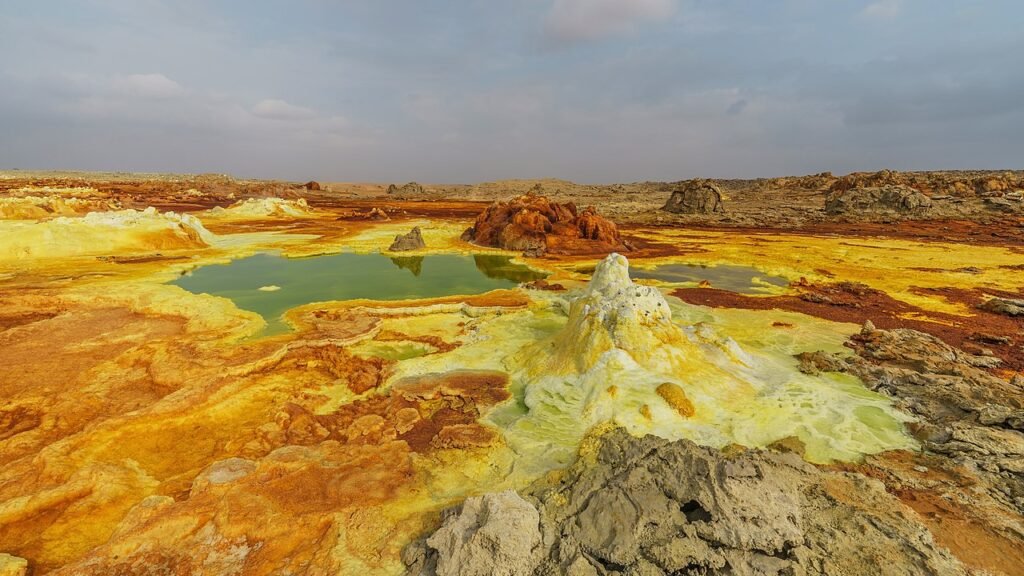
3 Days Danakil Depression Tours
7. Salt Lake of Afdera
A rare natural wonder, the Salt Lake of Afdera is part of the Danakil Depression and one of the hottest and lowest points on Earth. It’s a beautiful and unique site where you can watch salt harvesters work and take in the vast, flat landscapes.

8. The Rock-Hewn Churches of Lalibela
Lalibela is home to a series of incredible rock-hewn churches, carved into the mountainside. These medieval churches, some of which date back to the 12th century, are a UNESCO World Heritage site and one of Ethiopia’s most iconic landmarks.
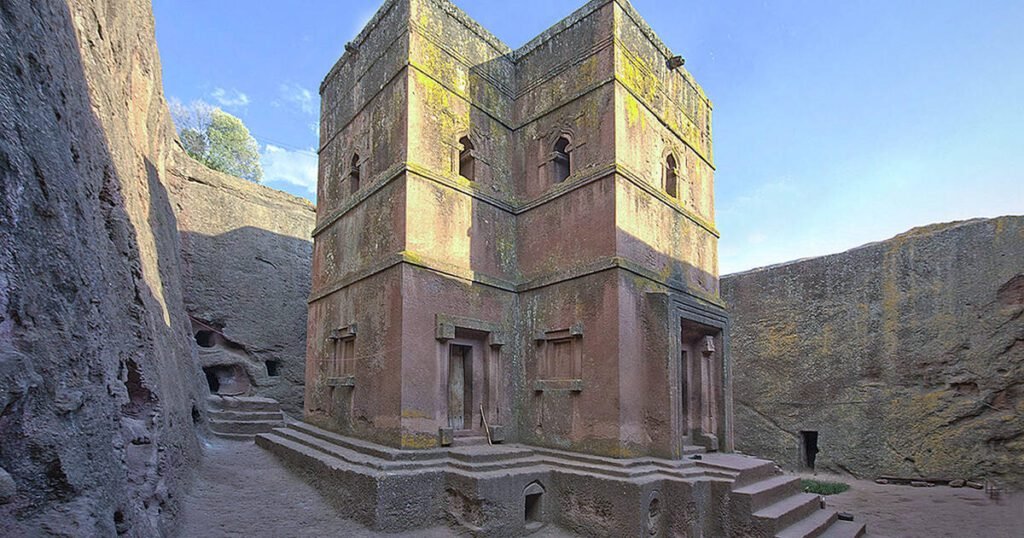
Day Trip to Rock Hewn Churches of Lalibela
9. Omo Valley
The Omo Valley is a cultural treasure trove, home to several indigenous tribes who have maintained their traditional way of life for centuries. Visit the tribes, such as the Hamar, Mursi, and Karo, to learn about their customs, art, and daily life.
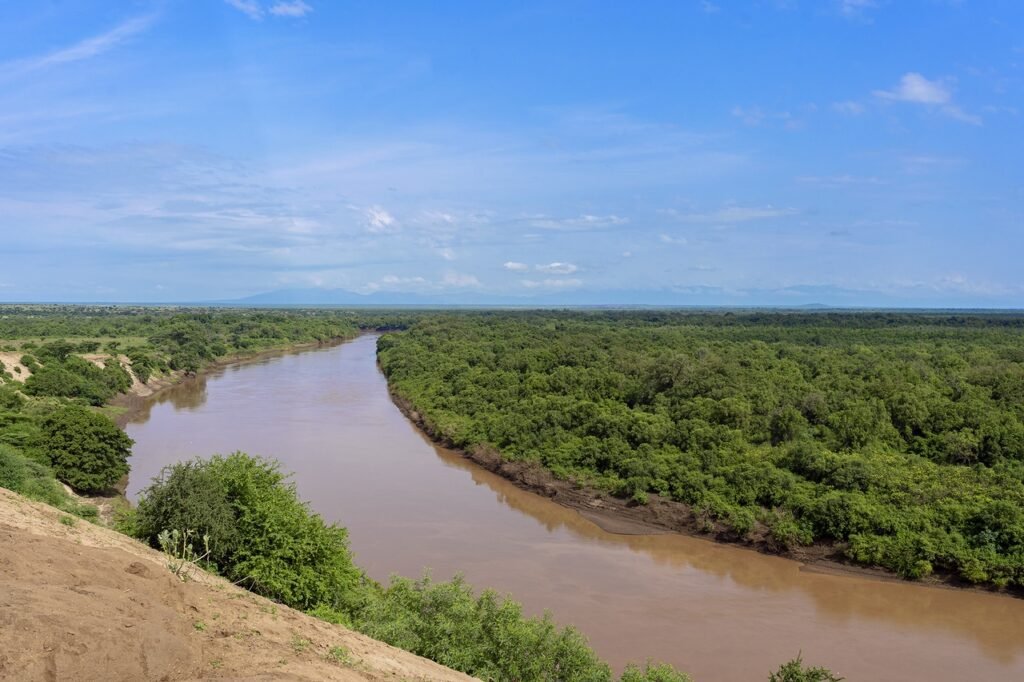
Omo Valley Tribes Cultural Immersion
Top Places to Eat
1. Kategna Restaurant
Located in Addis Ababa, Kategna is a popular restaurant known for its authentic Ethiopian cuisine. It’s the perfect place to try dishes like injera (a sourdough flatbread) paired with stews like doro wat (chicken stew) and kitfo (minced raw beef).

2. Habesha Restaurant
A local favorite, Habesha serves delicious Ethiopian food in a warm, inviting setting. Don’t miss their injera, which pairs perfectly with flavorful dishes like shiro (chickpea stew) and misir wat (lentil stew).

Practical Tips for Traveling in Ethiopia
Getting Around
Public transportation in Ethiopia can be challenging for first-time visitors. In Addis Ababa, taxis and minibuses are common, but they might not always be the most reliable. Hiring a private car or using ride-hailing apps like ZayRide is recommended for convenience and safety.
Currency
The currency used in Ethiopia is the Ethiopian Birr (ETB). It’s important to carry cash with you as credit cards are not widely accepted outside major cities. Currency exchange is available at airports, hotels, and local banks.
Packing Essentials
Clothing: Ethiopia’s weather can be diverse, ranging from highland coolness to desert heat. Pack layers, including light clothes for daytime and warmer clothes for evenings in the highlands.
Footwear: Comfortable walking shoes are essential, especially if you plan to hike or explore ancient sites like Lalibela.
Health and Safety: Consider carrying a travel health kit with essentials like sunscreen, mosquito repellent, and hand sanitizers. Malaria is common in some areas, so talk to your doctor about vaccinations and malaria prevention.
Electrical Adapters: Ethiopia uses a 220V supply voltage and the plug types C, E, and F. Make sure to bring the appropriate adapter for your devices.
Ethiopia is a country full of culture, history, and stunning landscapes. Whether you’re exploring the bustling markets of Addis Ababa, witnessing the grandeur of the Grand Ethiopian Renaissance Dam, or marveling at the rock-hewn churches of Lalibela, every moment in this remarkable country offers something new and exciting.
Be sure to check out my YouTube channel and explore more of my travel adventures for tips and inspiration to make the most of your journey!





1 thought on “Exploring the Wonders of Ethiopia: A Journey Through History, Culture, and Nature”
My name is Frank Peterson. I live in Lawrenceville Georgia, which is a suburb of Atlanta Georgia at the time I am on disability and collect SSI is the only income I have. I would love to visit Ethiopia, but I don’t have the money for the airfare hopefully my finances will turn around and I’ll be able to do that but your country is on my list to visit thank you very much. Have a blessed day.
FRANK PETERSON